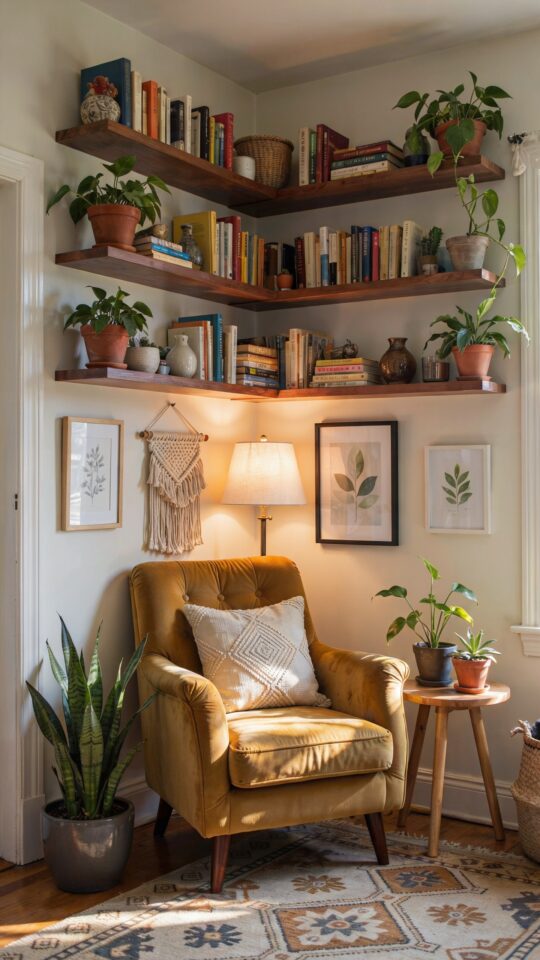
If you have been scrolling through Pinterest lately, you have probably seen rooms draped in floral fabrics, worn wooden tables, and soft, faded colors that feel like a gentle sigh. That is the allure of English cottage style inspiration at its finest. It is not about perfect symmetry or brand new furniture. It is about layers of texture, a bit of history, and a deep sense of comfort. I have spent years collecting ideas for my own little nook, and I want to share a few specific themes that make this look so endearing. Think mismatched teacups, a fireplace that smokes just a little, windowsills crammed with potted herbs. This is real, lived-in decor that invites you to sit down and stay a while.
Floral Prints and Botanical Layers in a Country Home
Nothing says English cottage like a generous dose of flowers. But here is the trick: you do not need a garden full of roses (though it helps). Inside, use floral prints on curtains, cushion covers, and even a well-loved armchair. I prefer small, ditsy patterns rather than oversized blooms. They feel more authentic and less formal. Layer a floral throw over a linen sofa, then add a cushion in a contrasting botanical print. The goal is a collected look, as if each piece was found at a different village market. Do not match everything. A cabbage rose print next to a tiny bluebell pattern creates that charming, slightly chaotic feel of a real country home.
Antique Furniture Finds for Cottage Decorating
Secondhand shops and flea markets are your best friends. Look for pieces that have a story: a chipped pine dresser, a spindle-back chair with peeling paint, a brass bed frame that has lost its shine. These imperfections are what give a room soul. One of my favorite treasures is an old oak settle bench that I use as a window seat. I added a stack of faded velvet cushions and a crocheted blanket. Antique furniture does not have to be expensive. Keep an eye out for solid wood pieces with dovetail joints. Even if the finish is worn, a coat of beeswax can bring back a soft glow. Avoid anything that looks too polished or new. The charm lies in the honest wear and tear.
Soft Muted Color Palettes That Feel Cozy
For an English cottage, bright white walls feel too sterile. Instead, go for colors that look like they have been washed by rain. Think sage green, dusty rose, buttermilk yellow, and slate blue. These shades sit quietly in the background and let your textiles and furniture shine. I painted my kitchen cabinets a pale duck egg blue, and the walls a warm cream with a hint of grey. The effect is soft and enveloping. You can also use color in small doses: a velvet cushion in faded raspberry, a handwoven rug in muted heather tones. Stay away from neon or stark contrasts. The palette should whisper, not shout. If you are unsure, start with one wall in a soft chalky color and build from there.
Lived-In Textiles: Linen, Wool, and Cotton
Texture is just as important as color in a cottage aesthetic. Rough linen curtains that puddle on the floor, a chunky wool throw draped over the back of a chair, cotton quilts with tiny stitched patterns. These materials feel good to touch and they age beautifully. I have a worn linen tablecloth that is full of wrinkles, and I love it precisely because it looks like it has hosted countless tea parties. Do not be afraid to mix fabrics. A linen sofa with a wool blanket and cotton cushion covers feels layered and inviting. Stay away from synthetic fabrics that feel slick or cold. Natural fibers breathe and soften over time, which is exactly what you want in a cozy space.
Vintage Kitchenware and Open Shelving Displays
The kitchen in an English cottage is often the heart of the home. Open shelving lets you show off your collection of mismatched china, glass jars, and old stoneware. I keep my everyday plates on a wooden shelf, stacked in uneven piles. It looks practical and pretty. Mix in a few antique enamel pitchers or a set of copper measuring cups. Do not try to be too tidy. A slight clutter of teacups and saucers feels welcoming. One easy trick: line your shelves with a strip of vintage wallpaper or a simple fabric scalloped edge. It adds a surprise detail when you open a cabinet. The key is to display things you actually use. That chipped mug with the faded rose pattern? Put it front and center. It has character.
- Start with one antique piece as a focal point, then layer smaller finds around it.
- Mix floral patterns in different scales: a large bloom on the curtains, tiny buds on the cushions.
- Use soft, muted paint colors on walls and woodwork to create a calm backdrop.
- Choose natural textiles like linen, wool, and cotton for that lived-in feel.
- Keep open shelves slightly imperfect with stacks of plates and vintage glassware.
Fireplace or Hearth as a Cozy Focal Point
If your home has a fireplace, make it the star. Even if it is nonfunctional, you can dress it up. Place a collection of brass candlesticks on the mantle, add a dried flower arrangement or a cluster of old books. In summer, fill the fireplace opening with birch logs or a large ceramic urn. In winter, a real fire (or a realistic electric insert) instantly transforms the room. I have a small cast iron stove that I light on chilly evenings. The flicker of flame and the scent of wood smoke are essential to the cottage mood. If you do not have a fireplace, create a similar focus with a large mirror hung above a sideboard, or a big armchair with a reading lamp. The idea is to draw the eye to a warm, inviting corner.
English Cottage Gardens and Bringing the Outside In
You cannot have a true cottage aesthetic without a connection to nature. Even if you only have a windowsill, grow something. Rosemary, lavender, and mint are easy and smell wonderful. Cut a few stems and place them in a small vase. A rambling rose bush outside the window, or a climbing jasmine, will perfume
#englishcottage #cottagedecor #englishcottagestyle #countryhome #cottageinspo
Leave a Comment