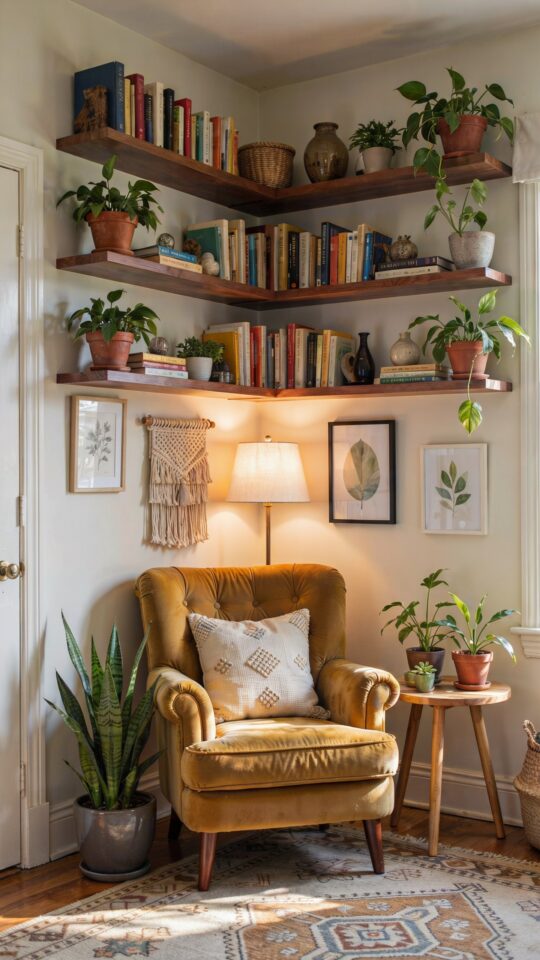
When I first set out to create an English cottage style living room in my own home, I had no idea how much warmth and character those old floral prints and weathered beams would bring. After years of trial and error with paint colors, furniture finds, and fabric choices, I finally landed on a look that feels both timeless and lived-in. This style isn’t about perfection; it’s about layering rustic charm with soft pastels and vintage pieces that tell a story. If you want a cozy country home that feels authentic rather than staged, these ideas will help you build that space one thoughtful choice at a time.
Start with Exposed Beams and a Soft Ceiling Palette
The first thing I did was strip back a false ceiling to reveal the original oak beams underneath. If you don’t have real beams, you can add faux wood planks or even stained timber strips for the same effect. The key is to keep the ceiling light between the beams. I painted the plaster a creamy off-white, which bounces light around and prevents the room from feeling too heavy.
A dark, untreated beam against a pale ceiling instantly reads as old-world cottage. In my case, the beams were dusty and dry, so I applied a clear matte sealant to protect them without changing the color. This small step made the room feel grounded and established the cottagestyle foundation for everything else.
Layer Florals Without Overwhelming the Room
Floral fabrics are the heart of any English cottage decor, but they can easily turn a space into a busy mess. My rule is to pick one floral pattern for upholstery and repeat it in smaller doses through cushions and curtains. I found a vintage-inspired chintz with small roses and forget-me-nots on a cream background, and used it for a pair of armchairs.
To balance the print, I kept the sofa in a solid linen in a muted sage. Then I added two throw pillows in a complementary floral stripe. The result feels collected rather than chaotic. For a truly cohesive cottagedecor scheme, stick to florals that share the same base color and scale. Mixing large cabbage roses with tiny sprigs works if you keep the background tones similar, like cream or pale beige.
Choose Vintage Furniture with Purpose
Nothing says authentic country home like a piece of furniture with a past. I spent weekends at flea markets and antique shops, looking for solid wood pieces with gentle wear. My favorite find is a chipped pine sideboard that now holds books and a ceramic jug of dried lavender. I did not refinish it. The scratches and faded paint add patina, not imperfection.
If you cannot find true vintage, look for new furniture with distressed finishes or simple turnings. Avoid anything too shiny or overly ornate. A good rule: if a piece looks like it could have been in a farmhouse kitchen in the 1800s, it belongs. For seating, mix a modern sofa with old wooden chairs or a reupholstered settee. This blend keeps the room comfortable without losing the countryhome feel.
Use Soft Pastels as Your Base, Not Your Accent
Most people think pastels are accent colors, but in an English cottage they work best as the main wall and fabric tones. I painted my living room walls a dusty blush called “Cottage Pink.” It sounds risky, but it reads as a warm neutral once the furniture is in. Soft blues, buttery yellows, and faded greens also work beautifully.
These colors become the canvas for darker woods and cream linens. In my own room, the pink walls make the white-painted floorboards look brighter and the oak beams feel richer. For a quick test, paint a large square of color on the wall and live with it for a few days. Natural light changes how pastels read, so a soft lavender might look gray on a cloudy afternoon. Choose a color that warms up in the evening lamplight.
Incorporate Natural Textures and Handmade Details
Texture is what makes a cozy living room feel lived-in, not just decorated. I layered a chunky wool throw over the back of the sofa, placed a braided jute rug on the floor, and hung simple linen curtains that puddle slightly at the bottom. These materials absorb sound and add softness without competing with the patterns.
Handmade ceramics, woven baskets, and dried flowers are easy additions. I keep a large wicker basket by the fireplace for logs, and a collection of vintage creamware jugs on a shelf. Each piece has a slight imperfection, a tiny crack or uneven glaze, which makes the room feel human. Avoid anything too polished. Even a stack of old books with faded spines can become the perfect side table for a cup of tea.
- Textiles: linen, wool, chunky cotton, vintage quilts
- Flooring: wide-plank wood, painted boards, sisal or jute rugs
- Lighting: wrought-iron chandeliers, brass table lamps, candle holders
- Accessories: transferware plates, copper kettles, framed botanical prints
Anchor the Room with a Wood-Burning Stove or Fireplace
A fireplace is the natural heart of an English cottage living room. I was lucky enough to have an original brick hearth, but a cast-iron wood stove works just as well in a modern home. If you have no option for a real fire, place a large mirror above a mantel and arrange candles in old glass jars on the hearth. The idea is to create a focal point that draws people in.
I keep a small stack of birch logs beside the fire and a brass log holder that my grandmother used. On the mantel I rotate seasonal elements: a garland of eucalyptus in winter, a row of seashells in summer. This simple ritual keeps the room feeling fresh without redecorating. For that cozyhome#englishcottage #cottagestyle #cottagedecor #countryhome #cozyhome
Leave a Comment